



The morning espresso ritual is an integral part of the daily routine for many coffee lovers. Succeeding in preparing an intensely aromatic beverage at home, with a beautiful creamy cream, provides a real pleasure and allows you to start the day on the right foot.
Fortunately, it is entirely possible to obtain quality espresso at home, worthy of the best baristas. A few key steps must be followed, from the choice of coffee to the careful preparation. The reward is an explosion of flavors in the mouth and a unique sensory experience.
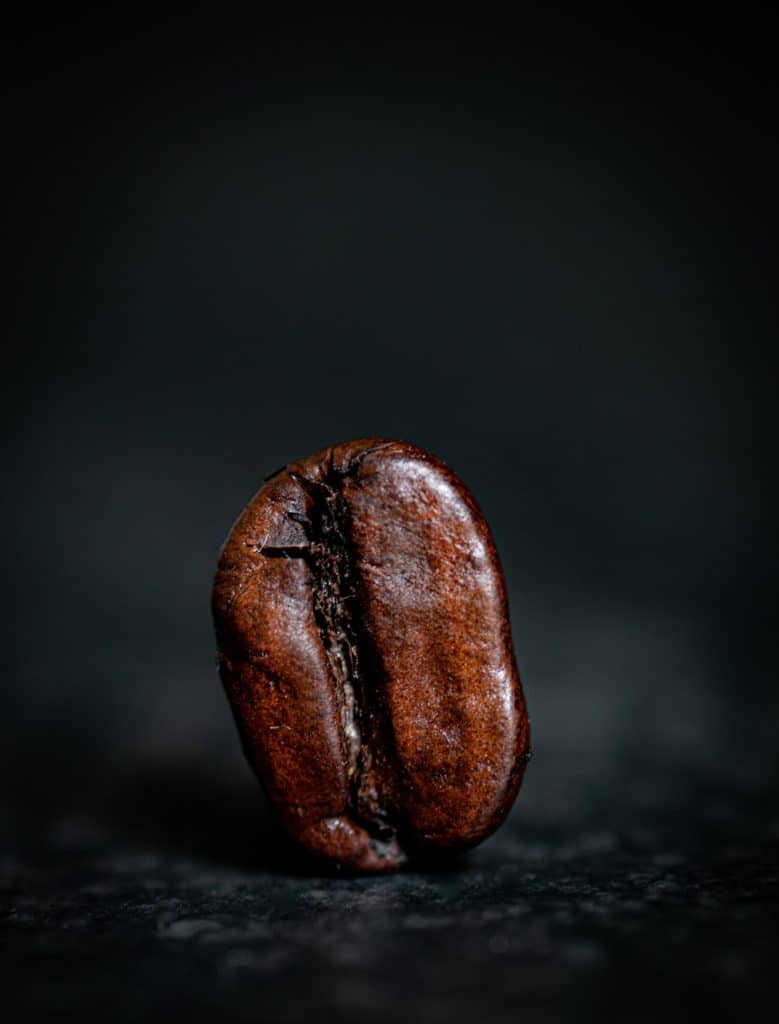
Making a quality espresso starts with a wise choice of coffee. Before starting to prepare coffee, you should carefully select the appropriate blend of beans. This step is decisive. A poor choice of coffee cannot be compensated for later, regardless of the expertise deployed during extraction. Poor quality coffee will inevitably result in a disappointing espresso.
It is therefore essential to take the necessary time to learn about the different coffees available in order to identify the best one, the one that will produce a balanced and intensely aromatic espresso.
A few essential rules exist to guide the amateur in this crucial selection process. By respecting them, your chances of success will be optimized. The raw material chosen with discernment, it will then be possible to concentrate calmly on the stages of preparation, roasting and tasting.
The composition of an espresso requires a clever mix of two complementary varieties of coffee: Arabica and Robusta. Arabica, thanks to its fruity and tangy notes, will bring aromatic complexity and freshness to the mixture on the palate. While robusta, with its full-bodied accents and creamy texture, will give body and structure to the espresso.
To find the perfect balance allowing each variety to fully express its strengths, experts recommend a composition of 70% to 80% Arabica, supplemented by 20% to 30% Robusta. This dosage is the secret of a harmonious espresso, combining aromatic finesse and smooth texture.
The aromas of citrus, red fruits or flowers of Arabica will blend wonderfully with the cocoa and slightly woody notes provided by Robusta. The result in the mouth will be a rich and intense espresso, with a beautiful aromatic persistence.
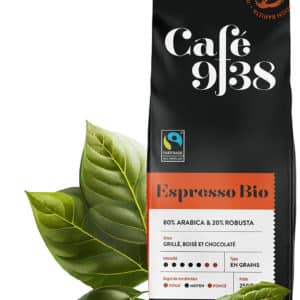
Among the blends following this winning recipe to perfection, the Organic Espresso offered by Café 9|38 is an example to follow. Coming from organic farming and fair trade, this balanced blend combines Arabicas from Nicaragua and Mexico with Robusta from Tanzania. The choice of quality certified organic origins is another guarantee of success for an exceptional espresso.
When it comes to finding the right coffee for a worthy espresso, it's a good idea to choose options with organic certification, and namely without chemical pesticides. It's good for everyone: the people who grow coffee, those who drink it, and even the Earth beneath our feet.
But there is more. You can really make a difference by choosing Fairtrade Max Havelaar coffees. It's not just to ease your conscience, these labels have real meaning. They ensure that producers, often in countries where life is not easy, receive a decent salary and work in humane conditions. Additionally, these labels help fund projects that improve life in these communities, from schools to medical clinics.
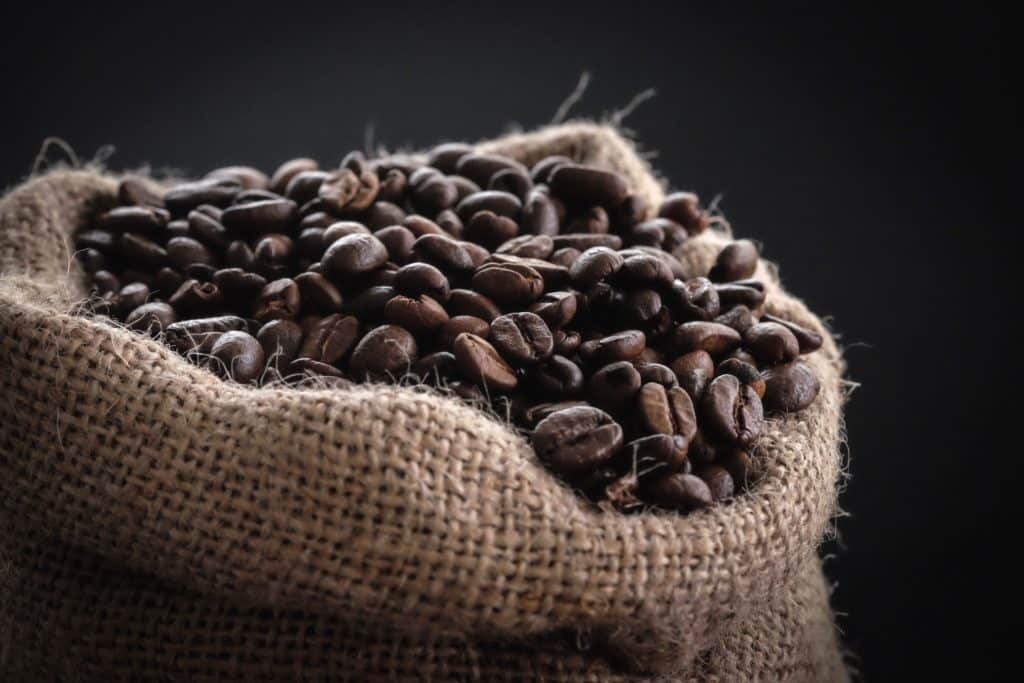
In summary, these labels are not just a gimmick, they represent a concrete commitment to a fairer world. Take for example Organic Coffee Espresso 9|38 : it ticks all these boxes by using only arabica and robusta beans certified as both organic and fair trade. In short, each cup of this coffee is like a small gesture to make the world a better place.
The careful choice of coffee is the basis for making a worthy espresso at home. It is essential to opt for a quality blend dedicated to espresso and composed of both Arabica and Robusta.
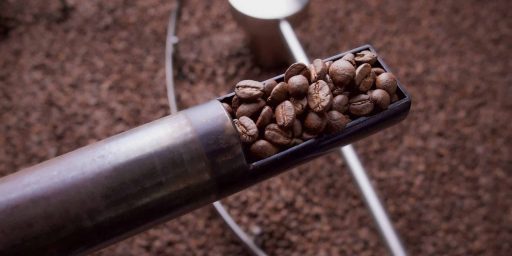
The coffee roasting process is an absolutely key step that will reveal all the aromas and flavors of the bean. Depending on the type of roasting applied, the same coffee vintage will develop radically different characteristics.
For an espresso, it is recommended to opt for a medium roast. This will allow the important fruity and tangy notes to be preserved, while developing sufficient body and creaminess. Too much roasting, beyond the first cracking of the grain, would give a burnt taste covering the aromatic qualities. Conversely, a profile that is too light would not be enough to release the full range of flavors nor the desired intensity.
The master roaster is like an orchestra conductor who will reveal the best assets of each vintage, by roasting it for more or less time at an appropriate temperature. His know-how is essential to magnify the unique character of each coffee. By choosing a passionate artisan roaster, you are guaranteed to taste an espresso whose flavors enhanced by the fire will transport you. Custom roasting is the final step before enjoying exceptional coffee.
The fineness of the coffee grind is an absolutely determining parameter for extracting a perfectly aromatic and harmoniously balanced espresso. Taking the time necessary to properly adjust your coffee grinder to the correct grinding level is an essential prerequisite before embarking on the preparation of this demanding drink that is espresso.
A classic coffee grinder is not ideal for grinding good espresso coffee. The powder it produces is generally too coarse. It is better to turn to a grinder specifically designed for fine grinds dedicated to espresso. This type of mill allows the fineness of the powder to be precisely adjusted, which is essential.
There are different models of espresso grinders. The most affordable are blade grinders, but they offer few grinding settings. Conversely, high-end conical burr grinders offer very even and perfectly calibrated grinding for espresso. However, their cost is higher.
Whatever the grinder chosen, taking the time to find the right setting to obtain THE ideal grind is important. It is this which will extract all the aromatic subtleties of the espresso. Even with a basic grinder, you can get good results by testing different calibrations.
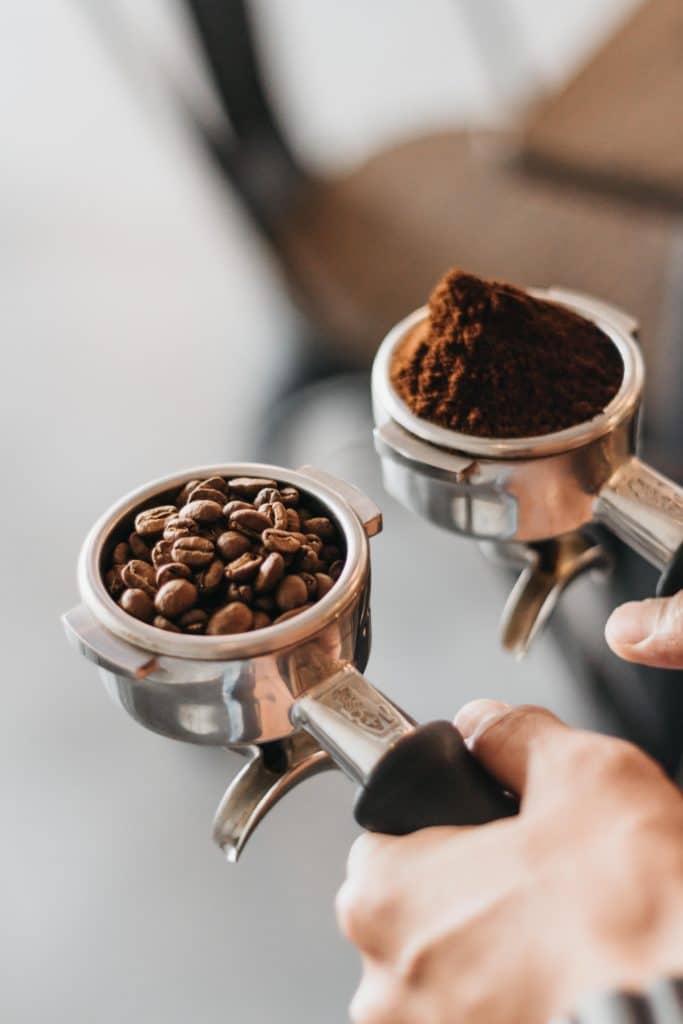
For a good espresso, you have to find the perfect dosage on the coffee grind side. The objective is to obtain a powder fine enough to extract maximum flavor and aromas. But be careful, if it is too thin, it can clog the coffee maker and pose a problem for extraction.
Ideally, we look for a texture close to powdered sugar or coarse salt, a little coarser than cocoa powder. This type of bean allows the water to circulate well while bringing out all the subtleties of the coffee.
To find the perfect grind, it is best to carry out tests starting from ultra-fine and gradually increasing the size. With each try, you will be able to taste your espresso and adjust your grinder by comparing the result obtained. It is by trial and error that we obtain the setting giving a balanced espresso full of flavors.
It is strongly recommended not to opt for ground coffee (too much) in advance if you are looking to enjoy an excellent espresso. Once transformed into powder, the coffee's volatile aromas evaporate within minutes, taking with them the richness of your taste experience.
The key to retaining all the aromatic complexity of coffee lies in grinding just before extraction. Reducing the time between grinding and extraction helps capture all of the coffee's intact aromas. This precise ritual offers the assurance of an espresso vibrant with freshness and rich in aromatic nuances. Let yourself be seduced by this meticulous approach and discover the whole spectrum of fruity, floral and spicy notes that a freshly ground coffee has to reveal.
Extraction is the cornerstone of intense, creamy espresso. This crucial step requires exemplary attention to detail and precision for optimal timing and successful aromatic balance. Too fast or too slow, and the extraction can either dilute the flavors or make them bitter. The right balance delivers an espresso that captures all the complexity and richness of the coffee beans, from fruity notes to spicy nuances.
The dosage is decisive. For a simple espresso, aim for between 8g and 9g of powder, measured using a digital coffee scale for greater precision. A graduated measuring spoon is less precise, but can occasionally help. For greater accuracy, it is recommended to have a digital coffee scale. This dosage allows you to obtain the right ratio between the quantity of coffee and the final cup volume, generally accepted at 8g of powder for 30mL to 40mL of espresso.
It is also essential to pack the powder well in the filter holder before inserting it into the machine. This tamping step creates a slight resistance which will slow down the flow of water, and accentuate the extraction of oils and aromas from the coffee.
Once the filter holder is inserted and the cup is in place, start the extraction. The ideal is to time between 22 to 25 seconds, the time needed to extract 30mL to 40mL of espresso from 8g to 9g of properly packed powder. This timing allows you to obtain a creamy and fully aromatic texture.
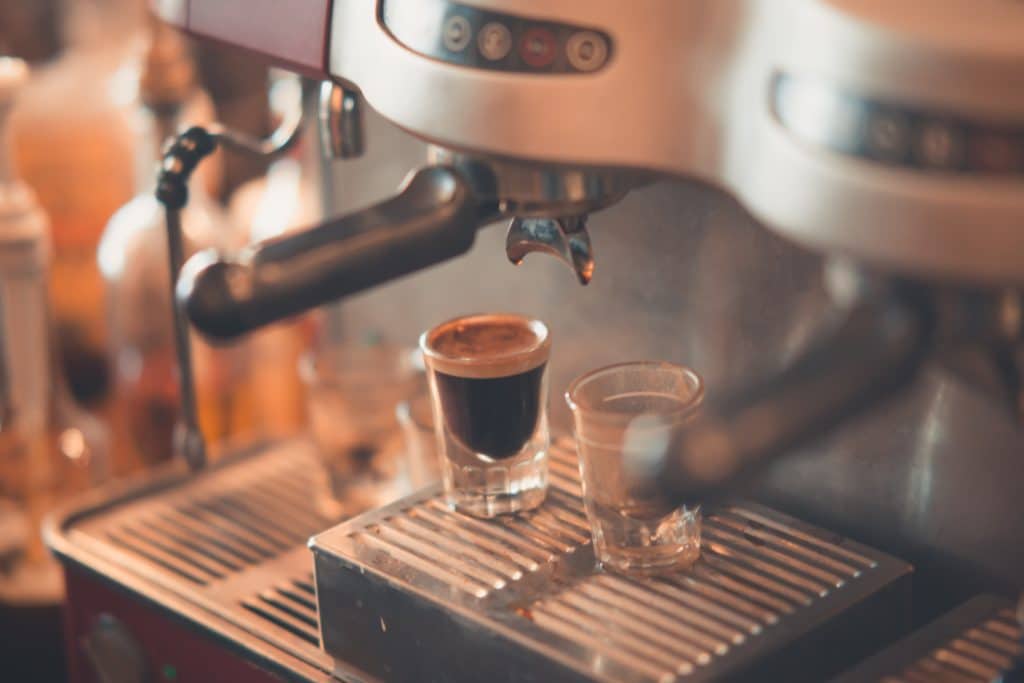
The method is similar, by adapting the powder dosage to the capacity of the device. Pour between 5g and 7g of ground coffee (per cup of espresso) into the filter, and distribute evenly. Then pack firmly, always without excess, to create the desired resistance.

Extraction time varies depending on the size of the Italian coffee maker or Moka. Allow around 1 minute for a classic coffee maker, and less for a Moka which works at higher pressure. Adapt by testing and timing, to obtain a slow flow allowing the coffee to fully infuse.
Extraction is a learning stage, to be perfected over time. But once the technique is mastered, each espresso will be a pure moment of pleasure!
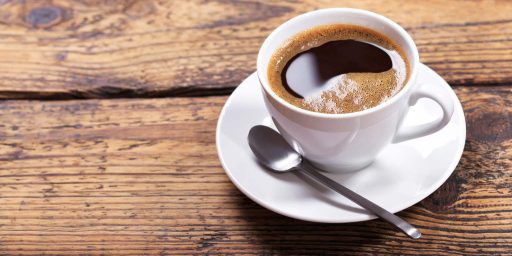
Tasting is a key moment that requires your full attention to fully savor your espresso. Serve it in a small preheated cup, ideally porcelain, to retain the heat and concentrate the aromas.
It is recommended to sip the espresso within XNUMX minute of extraction, when all volatile flavors are intact. Take the time to smell it a few moments before the first sip.
Taste first without addition, with your eyes closed, to soak up the aromatic complexity on the palate. Try to identify the different notes: floral, fruity, spicy, chocolate… Appreciate the texture, the body, the balance between bitterness and acidity.
You can then try classic pairings like brown sugar, a cloud of foamed milk, or a square of dark chocolate. Also dare to try more creative combinations like citrus zest.
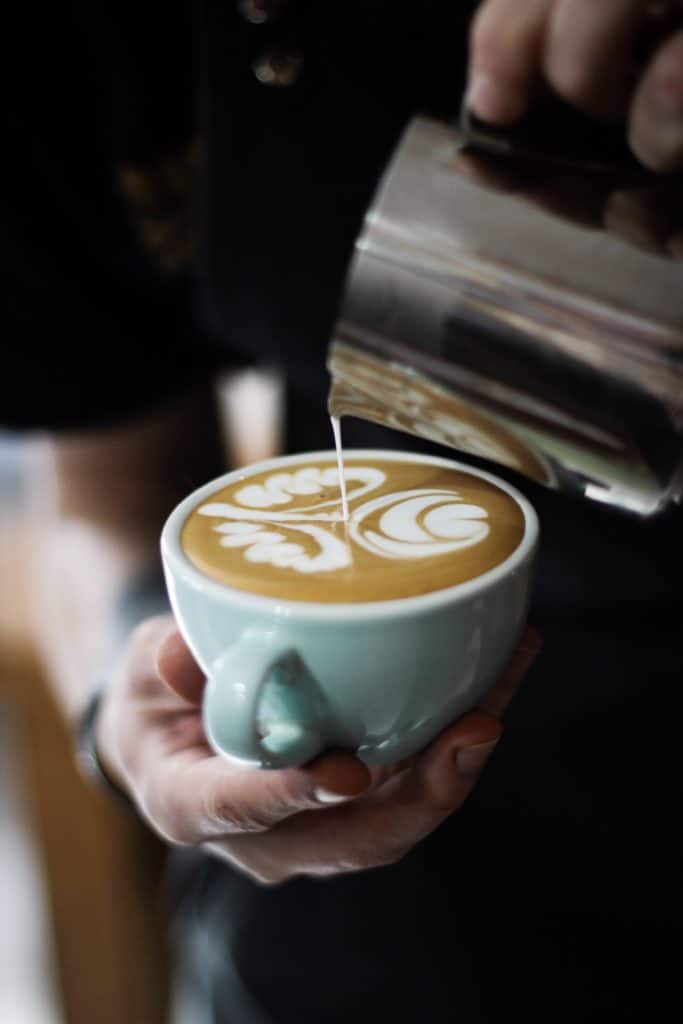
For enthusiasts of latte art, pour 20 to 30ml of hot, creamy milk into the center of the espresso. With a little practice, create beautiful designs such as hearts, leaves or rosettes using a milk jug. This art adds an aesthetic touch that enhances the taste pleasure.
Tasting espresso is a moment to be savored in full awareness, to experience a most intensely aromatic sensory experience.
Making an intense, creamy espresso at home is within everyone's reach with a little practice. By following a few key steps, you will be able to fully appreciate this iconic beverage.
It all starts with careful choice of coffee blend, ideally an espresso composed of three quarters fruity and tangy Arabicas and one quarter round and full-bodied Robusta.
Then comes the extraction control, working on the dosage, packing and time to obtain a creamy and balanced texture. The grind must be fine enough without excess, to slow down the water without blocking it.
Finally, the tasting is a privileged moment to perceive the full aromatic palette of espresso, with or without latte art which will enhance the drink with a touch of craftsmanship.
By applying these few tips, you will be able to make an espresso worthy of a barista, and will take real pleasure in performing this little black ritual. Espresso is an art that requires a little practice, so be patient before mastering all its secrets. The result will be well worth the effort, as this drink provides a moment of pure pleasure!