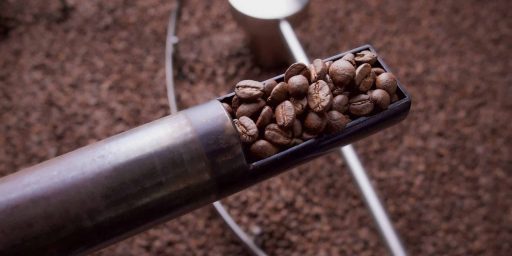




Do you savor this magical moment when the scent of an organic espresso tickles your nostrils? That first sip that reveals an explosion of intense flavors on your palate? To fully experience this unique sensory experience, the quality of the coffee beans is essential. And in this little game, grains from certified organic farming hold all the cards.
Cultivated with care and attention by passionate men and women, these organic grains reveal subtle aromas and great aromatic complexity. Their sustainable cultivation method preserves the soil and the environment, for our greatest happiness. Choosing organic also means allowing thousands of small producers to make a decent living from their work.
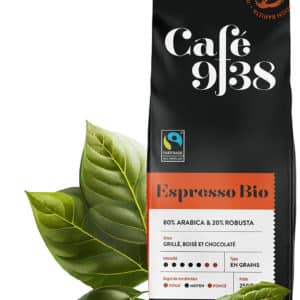
So, to enjoy an intense organic espresso with woody notes and creamy cream, like that offered by Café 9|38, trust the virtues of organic beans. Cultivated with respect for nature and people, they reveal all the quintessence of espresso.
Coffee is a festival of aromas. Between fruity, spicy notes and chocolate scents, its aromatic palette seduces fans. But to reveal the full complexity of coffee, organic farming is essential. By prohibiting the use of chemical pesticides, it is possible to preserve the aromatic subtleties of coffee which would risk being masked by these residues. The grains grown without pesticides give free rein to intense flavors of bergamot, cardamom or cocoa. They fully express the unique nuances of coffee, to our greatest pleasure.

In organic farming, coffee displays a wide aromatic palette, much richer than with conventional methods.
Tasting reveals notes of dried fruits such as hazelnut with a sweet and caressing scent. But also touches of pistachio, almond and walnut, with scents that are both intense and delicate. Added to this are nuances of dark chocolate, with full-bodied and captivating accents. Or even aromas of honey and vanilla, sweet treats that flatter the taste buds. Without forgetting floral hints of orgeat and jasmine.
So many subtleties allowed by respect for biodiversity in organic farming.
The soils naturally nourished in organic farming offer the coffee cherries the best conditions for harmonious development. This ideal maturity is found in the beans, which have a balanced body and controlled acidity. When tasting, we appreciate their supple and silky texture, but also their density and roundness in the mouth.
Organic techniques such as crop rotations or green manures make it possible to obtain this coffee that is both lively and fleshy, the signature of healthy and sustainable agriculture.

Café 9|38 Organic Espresso perfectly illustrates the taste benefits of coffee from organic farming. From the first sip, this coffee offers an explosion of intense and complex flavors. There are powerful notes of cocoa, coupled with fruity aromas of hazelnut or toasted almond. Proof if any were needed of the aromatic potential of organic coffee, sublimated by a passionate artisan roaster. An exceptional coffee!
Organic farmers promote farming practices that protect ecosystems. In particular, they rotate crops to keep soils naturally fertile, without massively adding chemical fertilizers. Instead, they use organic fertilizers, such as compost or manure, which nourish microbial life in the soil.
These agroecological techniques respect natural biological cycles. They allow coffee to be grown in harmony with its environment.
Also promoting beneficial crop associations with each other, such as coffee trees in the shade of large trees, is one of the keys to success. These agricultural techniques limit soil erosion while creating micro-climates favorable to the coffee tree. Organic thus combines agronomic performance and respect for biodiversity.
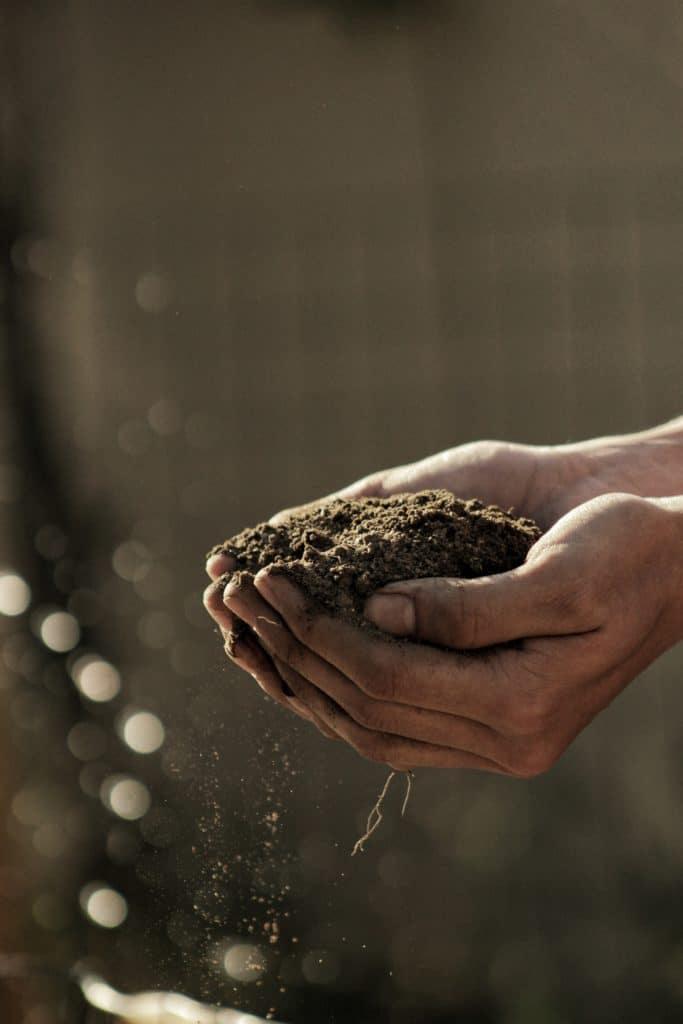
Unlike theintensive farming, organic does not harm ecosystems. The non-use of chemical pesticides preserves the fauna and flora of the soil. Soils maintain their natural fertility thanks to techniques such as mulching which maintain moisture and soil life.
This biodiversity is an ally in the fight against erosion and disease. The coffee tree grows in a balanced agrosystem, where each element interacts harmoniously. Organic thus offers rich soils, the basis of the quality of future coffee beans.
Organic is distinguished by its desire to completely eliminate synthetic chemicals. No chemical fertilizers are used, replaced by natural alternative techniques. On the pest side, we use mechanical methods or natural pesticides rather than harmful treatments.
This absence of chemical substances preserves the health of farmers, consumers and the environment. Organic provides an ecological response to the excessive use of pesticides in conventional coffee.
From field to cup, organic coffee presents a carbon footprint limited. Its production, which saves on inputs and respects the soil and biodiversity, helps reduce greenhouse emissions. Even the management of waste from coffee is designed in an eco-responsible way.
Thus, by choosing certified organic coffee, the consumer knows that they are opting for a drink whose impact on the environment has been measured and optimized. An additional advantage for this already delicious natural coffee!
In addition to its taste and environmental benefits, fair trade coffee in accordance with Max Havelaar's Fairtrade certification has an essential social advantage: it provides concrete support to farmers and producer organizations.
Thanks to fair trade sectors and labels like Max Havelaar, organic farmers benefit from better working conditions and a decent income. Fair trade certification means that part of the revenue is invested in local development projects.
Infrastructure, education, health: fair trade organic brings many benefits to communities. An additional asset for Café 9|38 cultivated with respect for nature and people.
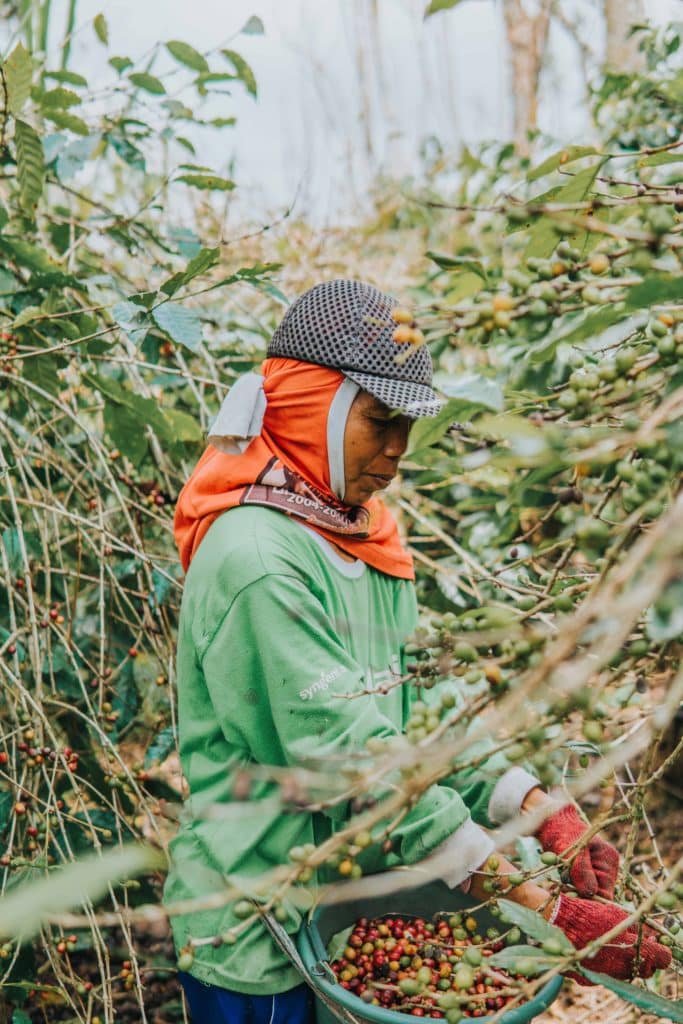
With the adoption of fair trade channels, the working conditions of organic coffee farmers are improving considerably. Social development funds are allocated to agricultural cooperatives, facilitating the purchase of advanced safety equipment and the establishment of systems to provide drinking water and electricity.
On a community level, the benefits multiply. Schools are being created, health centers are becoming accessible, and the construction of decent housing is being made possible. The gains generated by the fair trade organic coffee trade are not limited to the quality of the product; they also contribute to access to essential services, thus improving the well-being of producer families.
With fair trade, producers obtain a fairer price, better remunerating their work. This more remunerative price covers production costs and ensures a decent standard of living for families. It also includes a social development bonus.
Unlike the conventional market, this fair price is guaranteed over the long term, providing essential financial stability to farmer organizations. Organic producers thus escape price volatility and speculation.
Café 9|38 is part of this solidarity approach by purchasing its organic coffees from Fairtrade Max Havelaar certified cooperatives. The fair trade premium directly benefits thousands of small producers who can thus meet their essential needs.
Café 9|38 also promotes the know-how of farming families and the quality of their organic coffee. An ethical partnership from producer to consumer.
The adoption of organic beans enriches the aromatic palette of coffee, while guaranteeing a positive impact on the environment and the working conditions of producers thanks to a fair trade approach. This careful choice of beans not only reinforces the unique sensory experience of espresso, but also demonstrates a strong ethical commitment. In this context, Café 9|38 Organic Espresso is positioned as an obvious choice, embodying the quintessence of what sustainable coffee can offer in terms of taste, quality and responsibility. Café 9|38 also supports social projects in Switzerland by donating 0.20/kg of coffee to local associations or projects.